
Project
Zara Woman Collection AW26
Introduction
This introduction should explain the context of the Zara Woman AW26 capsule collection and establish the scale of Anna and Frederik’s involvement. It should begin with a concise description of the commission: what Zara asked them to create, why the collaboration was initiated and what the collection needed to achieve within the wider womenswear offer.
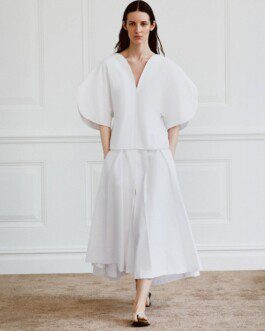
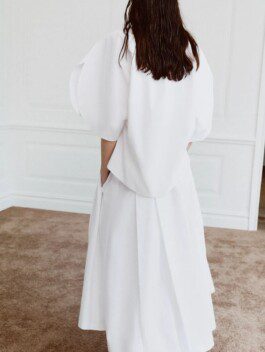
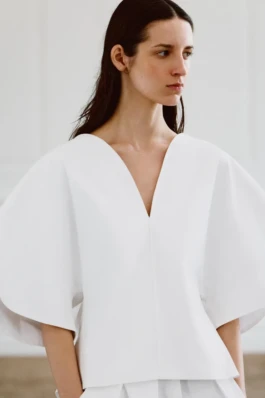
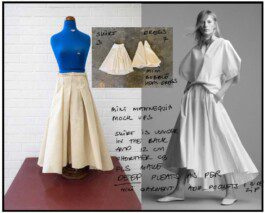
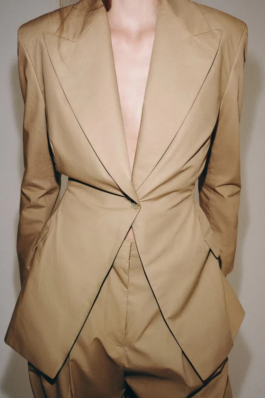
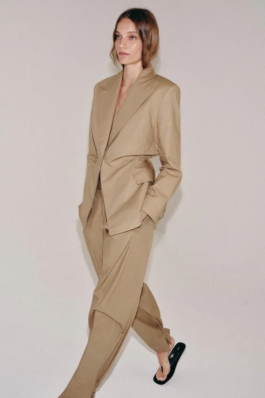
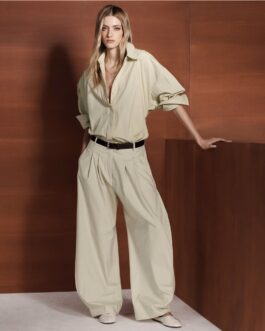
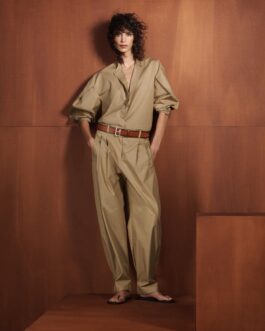
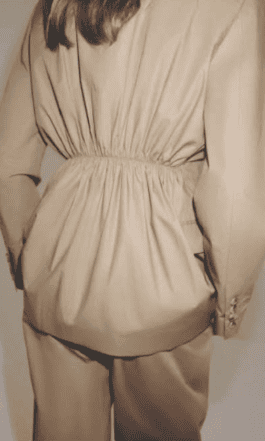
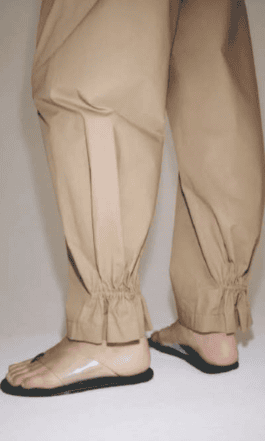
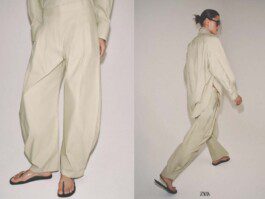
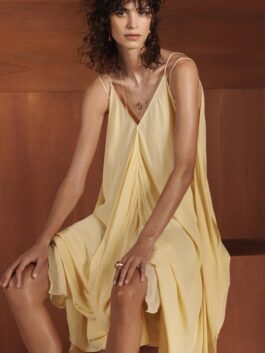
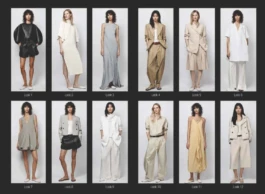
The text should then describe the central creative idea behind the collection. This might include the relationship between softness and structure, the use of volume and movement, and the balance between sculptural shapes and familiar wardrobe pieces. It should explain how tailoring, dresses and fluid separates were developed as one coherent proposition, rather than as a series of unrelated products. References to the controlled palette of black, white and warm neutral tones could help connect the written narrative to the work shown on the page.
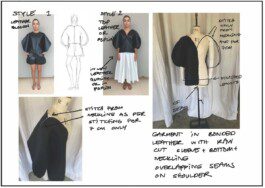
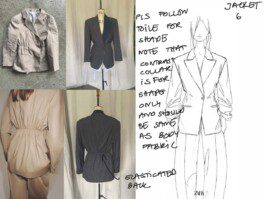
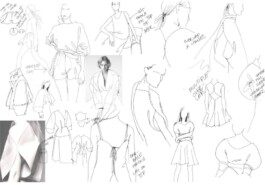
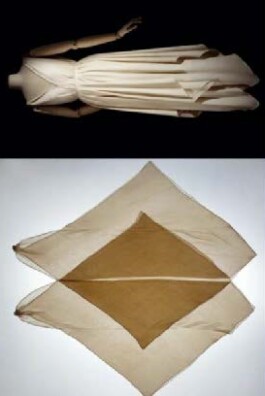
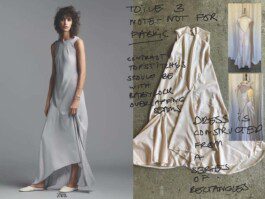
It would also be useful to describe the process. This could move from initial research and hand-drawn sketches through silhouette development, fabric selection, fittings and the final editing of the collection. The objective is to show that Anna and Frederik’s role extended beyond styling or visual direction: they helped define the product itself and considered how each decision would translate at the scale and pace of a global fashion business.
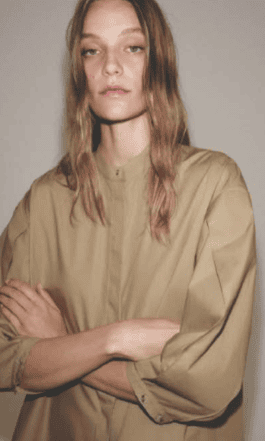
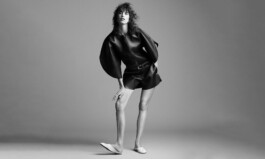
The photography by Craig McDean and styling by Marie-Amélie Sauvé should be positioned as part of the same creative world, connecting the proportions, materials and attitude of the clothes to a clear campaign expression. Any additional collaborators and confirmed production credits can be added here once supplied.
The finished text should remain factual and restrained. It should communicate creative authority without becoming promotional, and should avoid claims about commercial performance unless Zara or Anna and Frederik can provide verified figures. The reader should leave with a clear understanding of the original challenge, the creative response, the process and the final result. Most importantly, the case study should demonstrate their broader approach: moving from product to image and creating coherence between design, communication and the wider expression of a brand.
Responsabilies
Ready to Wear Collection


Project
Joseph Creative Transformation explained in more words here, outlining the thinking, process and development behind the project and its final creative direction.


High summer 2020 JOSEPH research mood board
Natural fibres with a crisp hand-feel, colours range from white to black through warm cream and beige. Sunny yellow and fresh lilac.
Elongated / oversized / tailored / hand finished / detailed / contrasted


Project Credits
CLIENT
Zara
COLLECTION DESIGN
Anna Lundbäck Dyhr and Frederik Dyhr
SEASON
Autumn Winter 2026
PHOTOGRAPHY
Craig McDean
STYLING
Marie-Amélie Sauvé
Zara Autumn Winter Collection 2026